South London is a beautiful and peaceful place to live, offering the perfect balance between city life and natural surroundings. The entire region is filled with greenery, tree-lined neighborhoods, and well-maintained public parks. In fact, London as a whole can technically be considered a forest by definition — more than 21% of the city is covered with trees, which exceeds the minimum requirement of 10–20% tree coverage.
This multicultural city welcomes people from all over the world, making it an amazing place to broaden your mindset, embrace diversity, and discover better opportunities.
If you are planning to move to South London, here are some important things you should know:
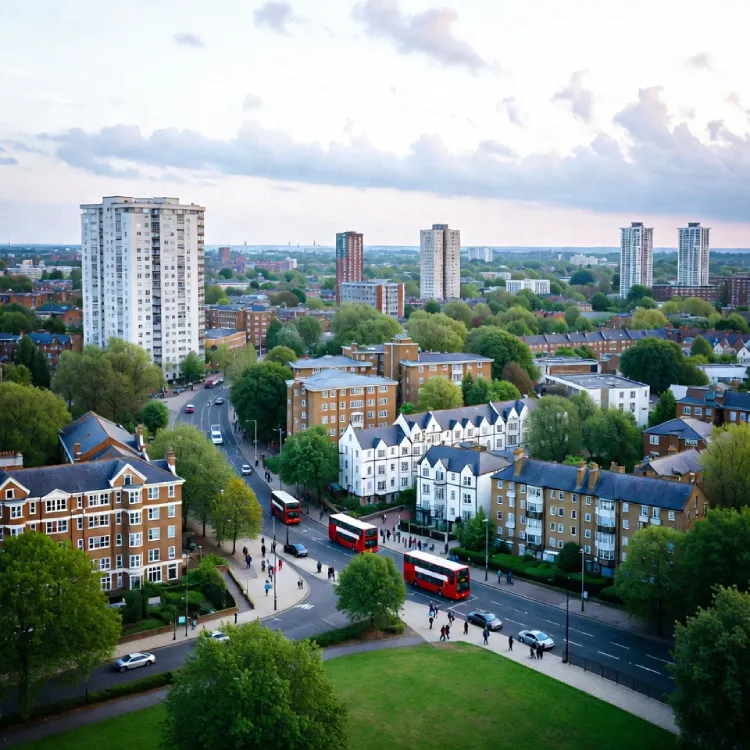
Table of Contents
1. Unpredictable Weather
South London’s weather is famously moody. Summers are usually warm, sunny, or partly cloudy, while winters tend to be cold and overcast. But the real issue is the unpredictability.
It can be sunny one moment and suddenly start raining the next — even the forecast gets it wrong.
What to do:
- Carry a small umbrella whenever you go out.
- Keep a light jacket or raincoat with you.
- Expect sudden winds or temperature drops.
Locals eventually get used to it, but newcomers often find the weather surprisingly changeable.
2. Everything Is Expensive
Before moving to South London, mentally prepare yourself for higher prices. The cost of living here is up to 58% higher compared to many other cities in the UK.
Food, transportation, services, entertainment — everything is pricier.
But the good news?
Salaries in London are generally much higher too, which helps balance the expenses.
Still, you should plan your budget carefully and bring enough money to manage the first few months comfortably.
3. Real Estate Prices
Housing in South London is expensive, whether you plan to rent or buy. Rent for a single room can range from £500 to several thousand pounds depending on the area.
If you plan to buy a home:
- The average house price in South London was £384,996 in 2022.
- Many houses and flats here are smaller than what you might be used to.
If you’re coming from a spacious home, adjusting to compact living might take time. However, London homes are usually located close to parks, transportation, and essential services.
4. Public Transport Is Better Than Driving
Having a car in South London can be frustrating. Traffic jams are common, parking is expensive, and congestion zones can add extra costs.
A 45-minute drive can easily turn into a two-hour journey.
Public transport is your best friend:
- Tube (Underground trains) for long distances
- Public buses, Uber, or black taxis for short trips
- Trams and local trains depending on the borough
Public transport is faster, cheaper, and more reliable for daily commuting.
5. Congested & Busy
London welcomes over 20 million tourists every year, and about 9 million people live here permanently. The result? A crowded, fast-paced environment.
You’ll see busy streets, packed markets, full buses, and queues everywhere. If you’re coming from a quieter place, it may take time to adjust.
6. Be Ready to Stand in Line
In South London, you’ll queue for almost everything — groceries, trains, ATMs, cafes, even public toilets.
This is simply part of London life.
If you dislike waiting, you’ll need to adjust your expectations. Patience is essential here.
7. A Huge Variety of Cuisines
South London is a paradise for food lovers. You’ll find:
- Street food stalls
- Local British cuisine
- Indian, Chinese, African, Turkish, Italian, Caribbean food
- Vegan and vegetarian restaurants
- Halal and kosher options
From traditional dishes to international flavors, the food scene is rich, diverse, and delicious. It’s easy to eat out more than planned — the temptation is real!
8. Making Friends Can Be Difficult
Londoners are often busy, stressed, and always in a hurry. People keep to themselves and may not engage in small talk.
This doesn’t mean they are unfriendly — just busy.
Making genuine friends may take time, but you can start by:
- Joining local community groups
- Attending events
- Visiting gyms, libraries, or clubs
- Staying in touch with people back home
Building a social circle requires effort, but it’s possible.
9. Bring All Your Important Documents
You must have your essential documents with you when moving. Keep printed and digital copies of:
- Photo ID (passport, driver’s license)
- Bank statements
- Employment proof (if you have a job)
- Tenancy agreement or proof of address
- Student verification (if applicable)
These documents are needed for renting, banking, registering with services, and more.
10. Register With the NHS
As soon as you have an address, register with the NHS through your local GP (General Practitioner). Bring your proof of residence and identification.
If you don’t know your nearest GP, you can search using the NHS directory online.
Registering early ensures you can access free healthcare, prescriptions, and medical support when needed.
What Is Delahaye Moving?
Delahaye Moving is a professional removal company that helps you move your belongings safely and efficiently. They handle packing, transport, and unloading so your move becomes stress-free.
If you want your furniture and items delivered securely to your new home in South London, Delahaye Moving can help you make the transition smoother.
FAQs
Is South London expensive to live in?
Yes, South London has a high cost of living, but salaries are usually higher and help offset everyday expenses.
Is public transport reliable in South London?
Yes. The Tube, buses, and trains are faster than driving due to heavy traffic.
Is South London safe?
Most areas are safe, but like any big city, safety varies by neighborhood. Research the area before renting.
How much does rent cost in South London?
Rent ranges from £500 for a room to several thousand for an apartment, depending on the city area.
Do I need a car in South London?
No, owning a car is inconvenient due to traffic, parking costs, and congestion zones. Public transport is recommended.
What documents do I need to rent a place?
You need a photo ID, proof of income, bank statements, and proof of address.
How do I register with the NHS?
Find a local GP clinic near your address and register using your ID and proof of residence.
- About the Author
- Latest Posts

Mite Art is the team that creates content for miteart.com. We work hard to share fresh, helpful, and interesting content about digital art, design, and creativity. Our team loves storytelling and visuals, and we create easy-to-understand articles, fun learning content, and useful resources to keep readers informed, inspired, and excited about art.