People around the world love to visit new places because traveling opens the door to new people, traditions, cultures, and lifestyles. Nature is one of the greatest gifts from the creator, and exploring a new destination always brings excitement and joy. Discovering unfamiliar streets, landscapes, and experiences refreshes the mind and soul.
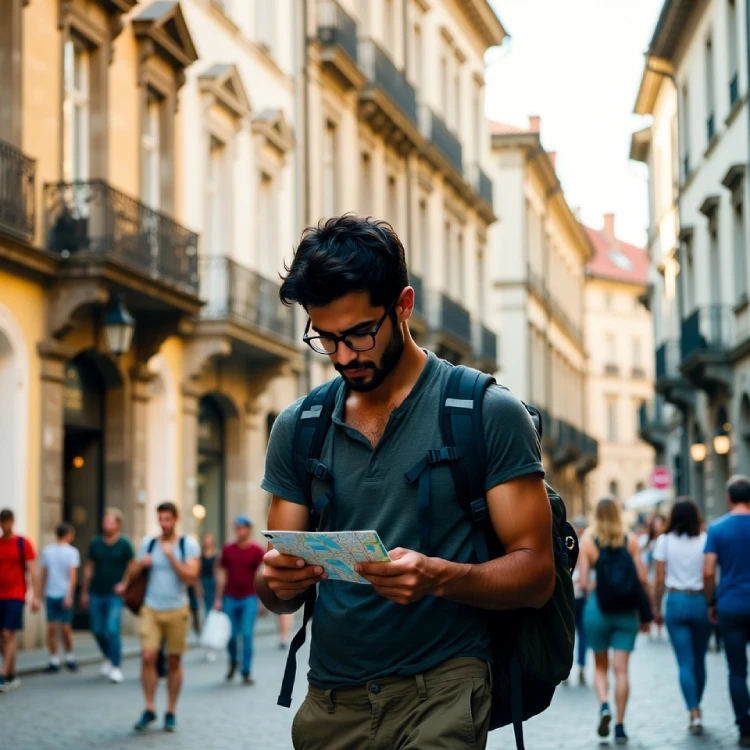
However, visiting a place without planning or preparation often leads to stress and missed opportunities. To make your trip meaningful, you should prepare a simple to-do list before traveling. At the same time, avoid over-planning, as it can make your journey exhausting instead of enjoyable. Traveling should be adventurous, relaxing, and filled with memorable moments—not pressure.
Let’s explore what you must do when visiting a new place to make your journey truly worthwhile.
Table of Contents
7 Essentials to Maximize Your Travel Experience
1. Know the History
Before or during your visit, try to learn about the history of the country, city, or town. History gives meaning to the places you see. Without understanding the past, your travel experience may feel incomplete.
Visiting museums, historical landmarks, and heritage sites helps you connect deeply with the destination. While online research is helpful, learning history on-site—through museums or conversations with locals—creates a stronger emotional connection and a more authentic experience.
2. Taste the Traditional Foods
A trip feels incomplete if you don’t taste the traditional food of the place you are visiting. Every region has its own flavors, cooking style, and food culture that reflects its history and lifestyle.
Instead of relying on fast food or canned items, visit local restaurants or street food spots. Trying traditional dishes gives you insight into the culture and often becomes one of the most memorable parts of your journey.
3. Visit Historical Places
Do not spend your entire trip inside hotels or resorts. Exploring historical and cultural attractions should be a top priority. Before arriving, make a flexible list of must-visit places.
Historical locations provide a sense of wonder, excitement, and inner peace. They tell stories of civilizations, architecture, and traditions. Stay open-minded and adaptable to new experiences—you’ll enjoy the journey much more.
4. Know the People
One of the most valuable aspects of traveling is meeting new people. Observe how locals live, communicate, and go about their daily routines. This gives you a true picture of the destination beyond tourist attractions.
In most places, locals are welcoming and friendly toward tourists. Conversations with them can teach you about local customs, traditions, and hidden gems that travel guides often miss.
5. Take a Walk
Walking is one of the best ways to explore a new place. It allows you to notice small details—architecture, street life, local shops, and natural beauty—that you might miss while traveling by vehicle.
Walking freely helps you absorb the atmosphere of the place. You may discover cafés, viewpoints, or markets that are not listed in travel guides. A simple walk can turn into an unforgettable experience.
6. Go Shopping
Shopping in a new place is not just about buying things—it’s about experiencing local culture. Every destination has its own styles of clothing, jewelry, accessories, and handmade items.
Local markets and shopping malls showcase craftsmanship and creativity. Buying local products also supports local businesses and helps you understand the generosity and hospitality of the people.
7. Don’t Forget to Capture Photos
Capturing photos is one of the best ways to preserve travel memories. Photos allow you to relive moments long after the trip is over.
Take pictures of landscapes, architecture, food, people, and small details that catch your eye. Sharing these moments on social media also helps you connect with others and inspire future travelers—but remember to enjoy the moment, not just the camera.
FAQs
Why is planning important before visiting a new place?
Planning saves time, reduces stress, and helps you make the most of your trip. It ensures you book essentials (transport, accommodation, tickets), stay safe (research areas, emergency contacts), budget wisely, and fit in the sights and experiences you value.
How can I ensure my safety when visiting a new place?
Research the area, share your itinerary with someone trusted, keep digital and physical copies of important documents, use licensed transport, stay in well‑lit/public places, avoid risky neighborhoods at night, keep valuables discreet, and have emergency contacts and local embassy numbers ready. Trust your instincts and buy travel insurance for added protection.
How much planning is too much?
Too much planning becomes rigid and stressful — when your schedule leaves no room for spontaneity, rest, or unexpected delays. Aim for a clear backbone (key bookings, must‑see items) plus flexible blocks for exploration and downtime. If planning makes you anxious, reduces enjoyment, or prevents last‑minute changes, you’ve planned too much.
Should I follow a strict schedule or be spontaneous?
Balance both. Plan must‑see sights and key bookings, but leave daily free time for spontaneous discoveries and rest.
How do I handle a language barrier?
Learn a few key phrases (hello, thank you, please, excuse me, where is…), carry a translation app or phrasebook, use simple gestures and clear gestures, speak slowly and use short sentences, point to maps or pictures, and show patience and a smile — these make communication work despite language gaps.
Is it safe to talk to locals while traveling?
Yes, in most places locals are friendly and happy to help, but stay cautious. Use common sense: meet in public, avoid isolated spots, keep belongings secure, and trust your instincts. If something feels off, politely end the conversation and move to a safer area.
- About the Author
- Latest Posts
Bhupati Barman is a Co-founder of Mite Art, as well as an Entrepreneur, SEO Optimizer, and Blog Writer, covering a variety of interesting topics.