Riding a motorcycle can be adventurous and enjoyable for many people. Some riders use motorbikes for daily commuting, while others enjoy long trips or riding for fun. However, motorcyclists must follow essential safety rules to ensure a smooth and secure journey. Motorcycle accidents can be extremely dangerous, and riders are more exposed to injuries compared to car drivers. So, staying alert and riding defensively is crucial.
Here are the most important motorcycle safety tips every rider should follow.
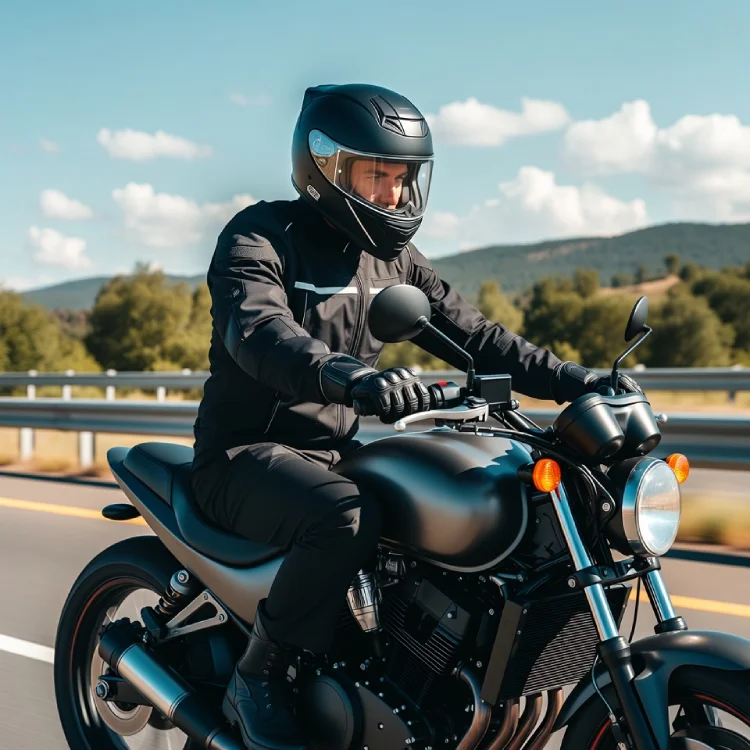
Table of Contents
1. Wear a Helmet
Wearing a helmet is absolutely mandatory when you are on a motorcycle. A helmet protects your head and reduces the risk of fatal injuries during an accident. Riding a motorbike without a helmet is extremely risky — similar to jumping from a plane without a parachute.
A certified full-face helmet offers the best protection and shields you from dust, wind, bugs, and flying objects on the road. Apart from safety, helmets are also required by law in most countries. Always wear a high-quality helmet instead of a cheap or substandard one.
2. Observe the Weather
Before starting your trip, check the weather forecast. Riding a motorcycle in bad weather — heavy rain, fog, or storms — can be hazardous. Roads become slippery, your visibility decreases, and controlling your bike becomes difficult.
If it rains heavily, it is better to wait or postpone your ride. Staying safe should always be your top priority.
3. Concentrate on Riding
Always stay attentive while riding. Even a small distraction can cause a serious accident. Keep your eyes on the road, reduce speed when you see bumps or uneven surfaces, and stay alert to vehicles coming from all directions.
Do not get distracted by your phone, loud music, roadside scenes, or unnecessary conversations. When you are riding, your full focus must stay on the road.
4. Check Your Bike Before Riding
Before you start your motorcycle, check all essential functions. Make sure your engine oil, brake oil, fuel level, gears, clutch, horn, brakes, and headlights are working properly.
A regular inspection can help you avoid unexpected breakdowns or technical issues when riding on busy roads or highways. It also ensures a smooth and safe ride.
5. Keep a Safe Distance From Other Vehicles
Many motorcyclists ride too close to cars or trucks, which increases the risk of collision. You never know when another vehicle might brake suddenly or change direction. Always maintain a safe distance so you have enough time to slow down, react, and avoid accidents.
Keeping space is one of the most effective defensive riding techniques.
6. Ride Within Your Skill Level
Roads are not a place to show heroism or perform stunts. Beginner riders should not try to ride at high speeds or handle motorcycles beyond their skill level. Stay within your comfort zone and ride at a pace you can control confidently.
Use your rearview mirrors while changing lanes, turning right or left, or overtaking another vehicle. This simple habit can prevent many unexpected accidents.
7. Obey Traffic Rules
Traffic rules are designed to save lives. Overspeeding, violating signal lights, and ignoring lane rules can cause deadly accidents. Many riders get into trouble simply because they are impatient and careless.
Follow lane markings, speed limits, stop signs, and other instructions on the road. Obeying traffic rules ensures a safer journey for you and everyone around you.
Conclusion
Motorcycle riding is fun, but it must be done responsibly. Wearing safety gear, checking your bike, monitoring the weather, and following traffic rules can help you avoid accidents and enjoy a safer ride. Stay alert, stay disciplined, and treat road safety as your priority.
FAQs
Why is wearing a helmet so important for motorcyclists?
A helmet protects your head from serious injury during an accident. It reduces the risk of fatal head trauma and keeps you safe from dust, wind, and flying objects. Always use a certified full-face helmet for maximum protection.
How often should I check my motorcycle before riding?
You should check your motorcycle before every single ride and do a deeper inspection weekly or bi‑weekly. Quick T‑CLOCS check (Tires, Controls, Lights, Oil/fluids, Chassis, Stand) takes minutes; weekly checks cover fluids, chain/belt, fasteners, battery, and tire wear. Regular checks improve safety and prevent breakdowns.
Is it dangerous to ride a motorcycle in the rain?
Riding in the rain is riskier but not automatically dangerous if you slow down, increase following distance, avoid sudden inputs, and use good tires and waterproof gear with a clear visor.
How can I ride a motorcycle more safely in traffic?
Ride defensively, keep a safe distance, and stay visible. Scan ahead, signal early, avoid blind spots, use smooth throttle/brake inputs, and anticipate other drivers’ moves. Wear protective gear and maintain your bike for safer riding in traffic.
What safety gear should a motorcyclist wear besides a helmet?
Besides a helmet, wear abrasion‑resistant jacket and pants with armor (shoulders, elbows, back, knees, hips), sturdy gloves, and over‑the‑ankle boots. Add high‑visibility layers and a good back protector for extra safety.
How fast should a beginner motorcyclist ride?
A beginner motorcyclist should ride at a comfortable, controlled speed that matches the flow of traffic and local limits. Stay slower than your top comfort while you learn, maintain extra following distance, and reduce speed in traffic, bad weather, or complex situations until your skills and confidence improve.
- About the Author
- Latest Posts

Mite Art is the team that creates content for miteart.com. We work hard to share fresh, helpful, and interesting content about digital art, design, and creativity. Our team loves storytelling and visuals, and we create easy-to-understand articles, fun learning content, and useful resources to keep readers informed, inspired, and excited about art.