Maintaining healthy hair is not very difficult if you know the right way to take care of it. No one appreciates messy or dirty hair, and cleanliness combined with a healthy diet is essential for shiny, strong hair. Hair plays an important role in your personal style and overall appearance. Proper hair care does not require a huge budget—most routines are simple and effective when done consistently.
Sweat, dust, pollution, and heat can cause severe damage to your hair over time, so you must protect it before it becomes dry and straw-like. These helpful tips will guide you toward stronger, healthier, and stylish hair.
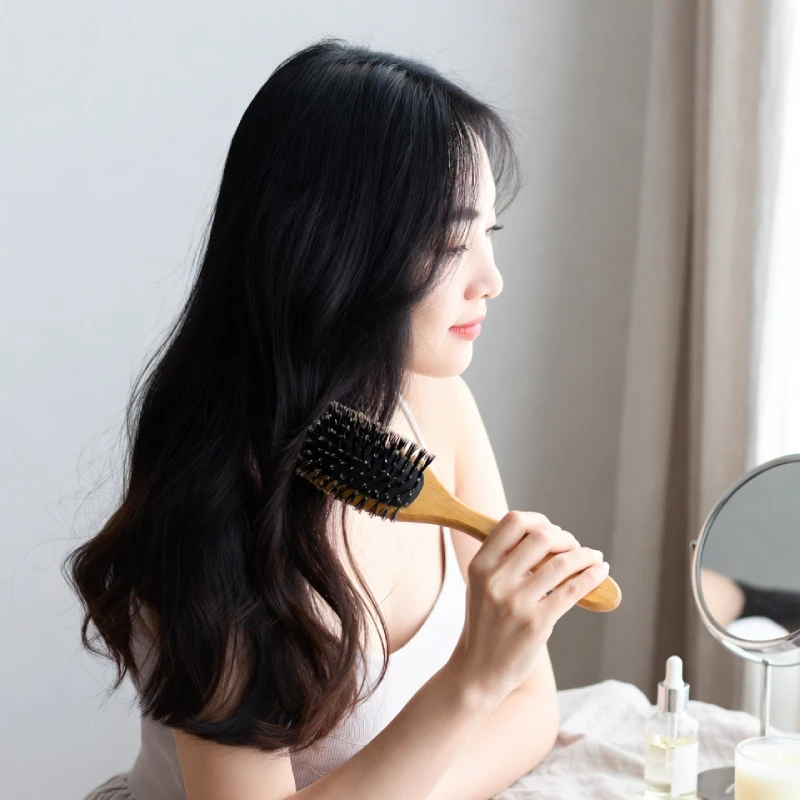
Table of Contents
1. Wash Hair Regularly
Wash your hair with a good-quality shampoo on a regular basis to remove sweat, dust, and outside dirt. Check the ingredients before choosing a shampoo and find one that matches your hair type. If unsure, ask for expert or salon recommendations. Regular washing promotes cleanliness and helps reduce dandruff and scalp irritation.
2. Maintain a Healthy Diet
Your diet plays a major role in hair growth and health. Protein is the building block of hair, so include salmon, tuna, and other fatty fish in your meals. Walnuts, chia seeds, leafy vegetables, citrus fruits, eggs, and vitamin-rich foods are excellent for hair strength and shine. Drinking enough water also keeps hair hydrated.
3. Use Conditioner
Using conditioner after shampooing helps nourish your hair and prevent dryness. Apply conditioner gently from mid-length to the ends (not directly on the scalp). Use a wide-tooth comb after conditioning to avoid breakage. Conditioner is especially beneficial for dry or frizzy hair.
4. Try Natural Ingredients
Natural remedies can work wonders. Eggs contain vitamins A, B12, D, E, fatty acids, and protein that strengthen hair and add shine. Oils like coconut, almond, or olive oil provide minerals and healthy fats that repair damage. Among them, coconut oil is most widely recommended because it penetrates deeply and reduces breakage.
5. Don’t Brush Too Often
Brushing helps manage your hair, but brushing too much can cause split ends and hair fall. Be gentle and avoid pulling or tugging, especially when hair is wet.
6. Style Hair Naturally
Frequent straightening, curling, bleaching, or coloring exposes hair to heat and chemicals. Natural hairstyles require fewer chemicals and help maintain healthier strands. Avoid tight ponytails or constant back-brushing, as these loosen hair roots and increase hair fall.
7. Trim Regularly
Trim your hair every six to eight weeks to reduce split ends and dry tips. Regular trimming keeps hair neat, reduces breakage, and maintains a fresh, clean look.
8. Stay Stress-Free
Stress is a major reason behind hair loss. Practice yoga, meditation, exercise, or hobbies that help reduce mental pressure. A relaxed mind supports healthy hair growth.
9. Avoid Hot Water
Washing hair with very hot water can weaken strands, remove natural oil, and lead to breakage. Use room-temperature or lukewarm water instead. Hot showers are relaxing, but not great for your hair.
10. Avoid Powerful Blow Dryers
Air-drying is often best. Excessive use of a powerful blow dryer causes dryness and damage, especially for thin or sensitive hair. If you need to use a dryer, use a lower heat setting or keep it at a safe distance.
11. Reduce Chemical Use
While occasional hair treatments are fine, avoid excessive chemicals such as gels, sprays, bleach, and dye. Overuse can weaken hair and irritate the scalp. Choose natural solutions whenever possible.
Conclusion
Healthy hair requires consistency, not complexity. Maintain cleanliness, eat a balanced diet, manage stress, and avoid excessive heat or chemicals. A few simple habits can make your hair stronger, shinier, and easier to manage every day.
FAQs
How often should I wash my hair?
You should wash your hair depending on your hair type, scalp oiliness, and lifestyle. For most people, washing every 2–3 days is enough. Fine or oily hair usually needs more frequent washing (daily or every other day), while thick, curly, or dry hair does better with less frequent washing (about once a week or less) to protect natural oils. If you sweat a lot or use many styling products, you may need to wash more often.
What foods are best for healthy hair?
For healthy hair, eat a balanced diet with enough protein (eggs, fish, lean meat, beans), vitamin-rich fruits and veggies (berries, sweet potatoes, spinach), healthy fats (avocados, nuts, seeds, fatty fish), and minerals like iron and zinc (beans, oysters), plus drink plenty of water.
Is air-drying better than blow-drying?
There’s no one “best” method. Air-drying avoids heat damage but can increase frizz and leaves hair fragile while wet. Blow-drying is faster and can give a smoother finish but can damage hair if the heat is too high or used too often.
For healthier hair, air-dry when you can, and when you blow-dry, use a heat protectant, low heat, and keep the dryer moving.
Why does stress cause hair loss?
Stress causes hair loss by disturbing the normal hair growth cycle. High stress can push many hairs into a resting phase too soon (telogen effluvium), so they shed more than usual weeks or months later. Stress hormones like cortisol and immune changes can also trigger conditions such as alopecia areata, where the body attacks hair follicles and causes patchy hair loss.
Is trimming hair helpful?
Yes, trimming your hair is helpful. It doesn’t make hair grow faster from the scalp, but it removes split ends and damage, which prevents breakage, so your hair can appear longer and healthier over time. Regular trims stop split ends from traveling up the hair shaft, reduce frizz, improve texture, and keep your haircut in shape, making hair look smoother, fuller, and easier to manage.
- About the Author
- Latest Posts

Lata Bala is a Founder and CEO of Mite Art, as well as an Entrepreneur. She has established yourself as a leading figure in the online world. With expertise in blogging, SEO, research, content writing, and internet marketing. She loves traveling and discovering new horizons. Continue for more info and see her more stories.