The British people are globally renowned for their unique blend of deep-rooted traditional culture and steadfast moral values. Whether it is the historic streets of London or the rolling hills of the Cotswolds, the British lifestyle is a fascinating study in etiquette, resilience, and multiculturalism.
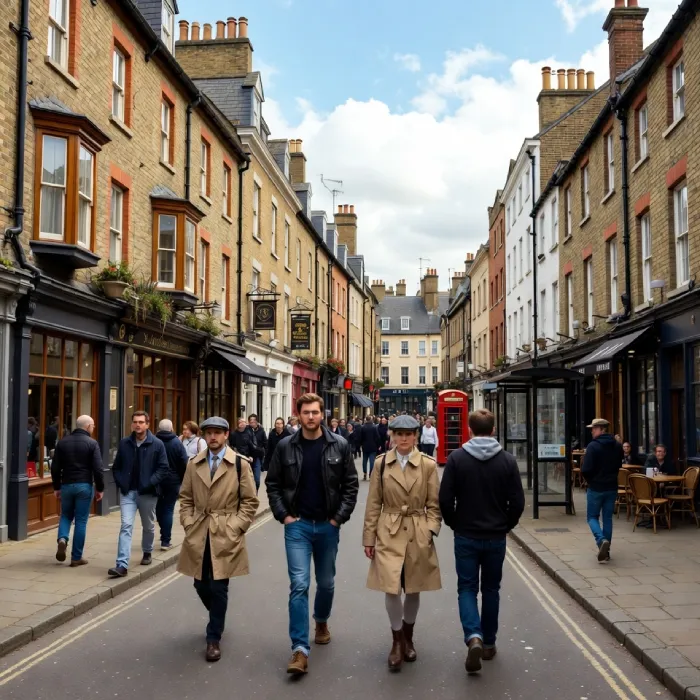
While London is jokingly famous for the three ‘Ws’—Work, Women, and Weather—the true essence of the United Kingdom lies in its social fabric. Today, the UK is a vibrant, multicultural hub where diverse beliefs coexist peacefully. According to the latest 2021 Census data, approximately 18% of the population in England and Wales belongs to a minority ethnic group, yet the core “Britishness” remains a unifying force.
Let’s explore the seven key features that make the British lifestyle so distinct and admired worldwide.
1. Masterful Mannerism and Etiquette
Mannerism is the crown jewel of British society. The British are famous for their discipline, politeness, and a vocabulary where “Please,” “Thank you,” and “Sorry” are used with rhythmic frequency.
- The “Queue” Culture: In Britain, jumping a queue is considered a social sin. Whether at a bus stop or a post office, the British wait their turn with silent patience.
- Privacy: A true Briton rarely inquires about your salary, wealth, or weight. They live by the motto, “Courtesy begets courtesy,” ensuring everyone’s personal space is respected.
2. Adaptive and Sophisticated Clothing
British fashion is a bridge between Western casuals and sharp tailoring. While you will see the youth in jeans, T-shirts, and sneakers, the UK remains the home of the “Suit.”
- The Weather Factor: British clothing is highly adaptive. Due to the unpredictable weather, layering is essential.
- Trends: Trench coats, Chelsea boots, and waxed jackets are iconic staples. From the high-street fashion of Oxford Street to the formal elegance of Royal Ascot, the British sense of dress is always “up to the mark.”
3. The National Obsession: Tea and Coffee
The UK’s relationship with tea and coffee is legendary. Statistics show that the British consume approximately 100 million cups of tea daily. However, coffee culture has seen a massive rise, with brands like Costa Coffee and Pret A Manger dominating the morning rush. Starting the day with a takeaway cup while reading a newspaper is a quintessential British morning ritual that fuels their “magnetic liveliness.”
4. The Social Heart: Pub Culture
A “Pub” (Public House) is not just a place to drink; it is a community hub for social gathering and relaxation.
- Atmosphere: British adults visit pubs to unwind after work or during weekends. It’s where friends gather for “gossip” over a pint of ale or craft beer.
- Gastropubs: The “Sunday Roast” or a classic “English Breakfast” at a local pub is a non-negotiable part of the British weekend lifestyle.
5. Traditional and Diverse Food Habits
British cuisine is often misunderstood, but it is deeply hearty and satisfying.
- The Classics: Fish and Chips remain the undisputed national favorite. Other traditional staples include Shepherd’s Pie, Bangers and Mash, and Steak & Kidney Pie.
- Multicultural Influence: Due to its colonial history and modern diversity, the British palate is global. Chicken Tikka Masala is frequently cited as one of Britain’s national dishes, proving the influence of Indian and Asian cuisines.
6. A Friendly and Inclusive Society
Brits are known for being welcoming, regardless of race, age, or gender. This openness has made the UK one of the world’s most successful multicultural experiments. In London alone, over 300 languages are spoken. * Humor: The British sense of humor is often dry, self-deprecating, and witty. They use irony to handle difficult situations, making them approachable and resilient companions.
7. Fierce Individual Liberty
At the core of every Briton is a love for freedom. They value their right to think, act, and express themselves without unnecessary interference. This individual liberty fosters a high level of creativity and passion in the workplace. The British legal system and social norms are designed to protect these personal freedoms, making the UK a sanctuary for free thinkers and innovators.
FAQs
Why is British lifestyle considered unique?
British lifestyle is seen as unique because it blends long‑standing traditions (ceremonies, pubs, afternoon tea, class influences) with modern multiculturalism and individualism. Politeness, dry humour, respect for personal space, queuing etiquette, and a strong public‑service culture (NHS, public transport norms) shape daily life, while cities mix global cuisines, arts, and contemporary values, creating a distinctive mix of old and new.
Are British people really polite in daily life?
Yes. Politeness is common in Britain: people usually use “please,” “thank you,” and “sorry,” keep calm in public, and respect personal space. Social rules like queuing and indirect, polite phrasing are typical, though individual behavior varies by region and situation.
Is the “Tea Culture” still popular among young British people?
Yes, tea remains popular with young British people. Coffee habits have grown, but tea still serves as a comfort drink and social ritual across ages, including younger generations.
Why is the UK called a multicultural country?
The UK is called multicultural because people from many countries live, work, and share culture there. Longstanding immigration has brought diverse languages, religions, foods, music, and festivals, and communities from different backgrounds interact daily in schools, workplaces, and public life, making British society culturally varied and inclusive.
What is the best way to fit into British society as a visitor?
Respect queues, say “please” and “thank you,” and keep first‑meeting chat light (avoid very personal questions). Be punctual, dress neatly, learn basic local manners, use humour gently, and show interest in local food and culture. Small talk about the weather helps.
Is British food unhealthy?
Traditional British dishes can be hearty and sometimes high in fat or salt, but modern British diets include plenty of healthy choices, fresh produce, and diverse international cuisine, so British food is not inherently unhealthy. Choice and portion control determine health more than cuisine label.
How does individual freedom shape British lifestyle?
Individual freedom shapes British lifestyle by encouraging personal choice, self‑expression, and responsibility. People freely choose careers, beliefs, and lifestyles; this fosters creativity, entrepreneurship, and diverse cultural scenes. It also places emphasis on civil rights, privacy, and tolerance, so social norms favour polite disagreement, personal space, and respect for different ways of living.
- About the Author
- Latest Posts

Mite Art is the team that creates content for miteart.com. We work hard to share fresh, helpful, and interesting content about digital art, design, and creativity. Our team loves storytelling and visuals, and we create easy-to-understand articles, fun learning content, and useful resources to keep readers informed, inspired, and excited about art.