Winter snowstorms and extremely cold temperatures can be dangerous if you are not properly prepared. Heavy snowfall can disrupt communication systems, damage power supplies, block roads, and even paralyze entire regions. Although winter arrives every year, many people underestimate its impact and fail to prepare in advance.
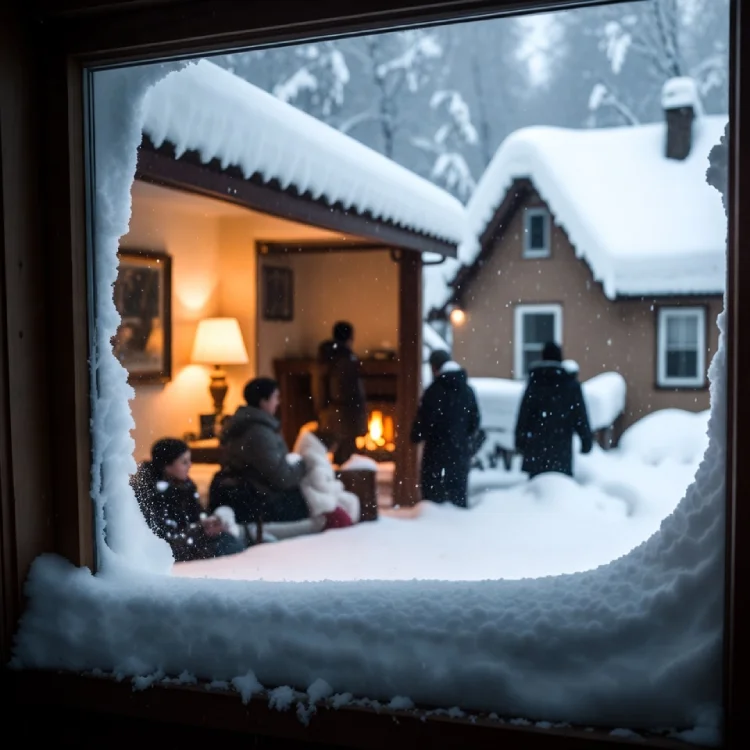
The safest option during severe snowfall is to stay indoors and limit outdoor activities as much as possible. However, emergencies and daily necessities sometimes make it unavoidable to step outside. That’s why knowing practical snowfall safety tips is essential—not just for comfort, but for survival.
Below are 7 essential snowfall safety tips that can genuinely help protect you, your family, and your home during winter storms.
Table of Contents
Follow Weather Bulletins and Warnings
Weather departments regularly issue alerts and warnings before snowstorms. These bulletins provide valuable information about snowfall intensity, wind conditions, and possible risks.
Before stepping outside, always check weather forecasts through reliable sources. Staying updated helps you plan your activities, avoid unnecessary travel, and prepare for emergencies in advance.
Wear Warm and Protective Clothing
Proper clothing is your first line of defense against extreme cold. Start with a lightweight, breathable inner layer, then add insulated clothing to retain body heat.
If you must go outside, wear water-resistant coats, insulated gloves, thick socks, and snow boots. Cover exposed areas like your neck, ears, and face with scarves or knit masks to prevent frostbite and hypothermia.
Avoid Driving During Snowfall
Driving during snowfall is risky because snow and ice make roads slippery and reduce visibility. Accidents are common during winter storms, even for experienced drivers.
If driving is unavoidable, ensure your vehicle is winter-ready. Check headlights, brakes, windshield wipers, and tires. Carry emergency supplies such as an extra tire, blanket, flashlight, and basic repair tools.
Keep Food Supplies in Stock
Snowstorms can make it difficult or impossible to go outside for days. Grocery stores may close, and supply chains can be disrupted.
Keeping dry food, canned items, and sufficient drinking water at home ensures that you and your family stay safe during extended snowfall. Preparedness reduces stress and prevents unnecessary exposure to harsh weather.
Keep Essential Medicines Ready
Winter often brings colds, flu, fever, and breathing issues. During heavy snowfall, reaching pharmacies or hospitals can be challenging.
Maintain a basic stock of essential medicines and a first-aid kit at home. This simple step can prevent medical emergencies from becoming serious problems during bad weather.
Ensure a Reliable Heating Source
Proper heating is critical during snowfall. Make sure your home has a working heating system such as a room heater, fireplace, or wood stove.
Check blankets, warm bedding, and insulation before winter peaks. Fireplaces and chimneys should be cleaned and inspected to avoid fire hazards or carbon monoxide issues.
Don’t Forget Your Pets
Pets are highly vulnerable to cold weather. During snowfall, always bring pets indoors and provide them with warm shelter.
Snow and ice can injure their paws, and prolonged exposure may lead to illness. Feed them properly and ensure they remain warm, dry, and comfortable throughout the winter.
Why This Guide Matters (User Benefit)
This article is not just about tips—it’s about preparedness and safety. Following these steps can:
- Prevent winter-related injuries
- Reduce emergency risks
- Protect family members and pets
- Save money by avoiding last-minute panic buying
- Help you stay calm and confident during snowstorms
Conclusion
Snowfall and winter storms can be beautiful, but they can also be dangerous if you are not properly prepared. Staying safe during snowfall is not about fear—it’s about awareness, planning, and smart decisions. From following weather warnings and wearing proper clothing to stocking essential supplies and protecting pets, small precautions can make a big difference.
By following these snowfall safety tips, you can reduce risks, protect your family, and remain comfortable even during severe winter conditions. Preparation ensures that winter remains a season to enjoy—not one to struggle through. Stay alert, stay warm, and stay safe.
FAQs
Is it safe to go outside during heavy snowfall?
It is only safe if it is absolutely necessary. Staying indoors is the most effective way to avoid accidents, extreme cold, and health risks like frostbite. If you must go out, ensure you are wearing proper layers and inform someone of your location.
What should I keep in an emergency winter kit?
An effective emergency kit should include a 3-day supply of non-perishable food and water (one gallon per person daily), essential prescription medicines, and a first-aid kit. For safety and warmth, include a flashlight with extra batteries, thermal blankets, heavy-duty gloves, and extra socks to ensure you stay protected during a power outage or heavy snow.
How can I protect my car during snowfall?
The best way to protect your car is to avoid driving and park it in a covered area or garage to prevent ice buildup. If you must park outside, lift the windshield wipers and use a cover to protect the glass. Additionally, ensure your vehicle is winter-ready by checking the battery and headlamps, and always keep an emergency kit inside with a shovel, extra tire, and blankets in case you get stranded.
Can snowfall cause power outages?
Yes, heavy snow and ice accumulation can weigh down power lines or cause tree branches to fall on them, leading to prolonged outages. To prepare, always have backup heating sources like wood stoves or fireplaces and keep emergency lighting, such as flashlights and extra batteries, readily available to stay safe in the dark.
- About the Author
- Latest Posts

Mite Art is the team that creates content for miteart.com. We work hard to share fresh, helpful, and interesting content about digital art, design, and creativity. Our team loves storytelling and visuals, and we create easy-to-understand articles, fun learning content, and useful resources to keep readers informed, inspired, and excited about art.