Children are a precious gift to their parents. It is only natural that we want to give them everything that makes them happy. However, children are innocent and crave your love, care, and attention more than any expensive gadget. When choosing a gift, you must prioritize their age, gender, needs, and personal interests.
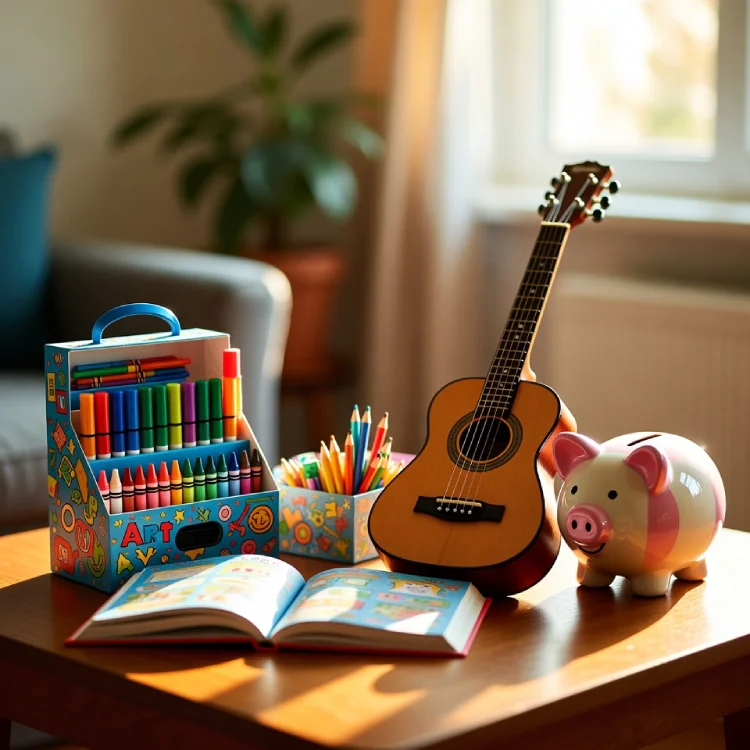
Every child is unique; a toddler’s curiosity is different from a teenager’s passion. While funny and entertaining gifts have their place, focusing on learning-oriented objects provides long-term value. Beyond your time and affection, here are 8 brilliant gift ideas that will make your children smile while helping them grow.
Table of Contents
Creative and Educational Gift Ideas
1. Books: The Window to the World
Books are arguably the best gift you can give a child. Once you identify their interests—be it space, animals, or superheroes—purchase engaging novels or comics. Books are a storehouse of knowledge that enhances their imagination and vocabulary. By gifting books on special occasions, you are cultivating a lifelong reading habit that will serve them forever.
2. Science Experiment Kits
For older children, a science experiment kit is a fantastic choice. These kits spark curiosity about how the world works. With hands-on scientific equipment, your child can engage in creative problem-solving and gain basic science-related skills to impress their friends and teachers. This gift might just turn your child into the star of the next school science fair!
3. Coloring and Art Sets
If your child loves to doodle or paint, encourage their creativity with a professional coloring set or high-quality art paper. Let them express their imagination and “color their world.” Boosting their natural talent with the right tools shows that you value their artistic expression and unique vision.
4. Personal Diary and Stationery
Children often mimic their parents. If they see you writing, they will likely want to do the same. A personal diary and a beautiful pen are great gifts to help them organize their thoughts. Writing regularly improves their literacy skills and provides a private space for self-expression and reflection.
5. High-Quality Chocolates
There is hardly any child who doesn’t love chocolate. While we focus on education, a sweet treat is perfect for an immediate smile. Choose high-quality, delicious chocolates that cater to your child’s specific taste. It’s a classic way to celebrate a small win or a special moment.
6. Musical Instruments
Is your child always humming a tune? A musical instrument, like a guitar or a keyboard, can be far more meaningful than any expensive toy. Helping your child discover their musical talent allows them to express emotions and builds discipline through practice. Let them play their favorite songs and find joy in rhythm.
7. Puzzles and Brain Teasers
Puzzles are excellent for cognitive development. They challenge a child’s intelligence and patience. Solving a difficult puzzle gives them a sense of achievement and teaches them to look at problems from different angles. It’s a gift that keeps their brain active and sharp.
8. Piggy Bank: Teaching Financial Literacy
Teaching the value of money is a vital life lesson. A piggy bank is a fun way to introduce saving habits. Encourage them to save a portion of their pocket money. After a few months, seeing the accumulated amount will give them a sense of pride, and they can use it to buy something they’ve truly worked for.
FAQs
What is the best gift for children?
The best gift for a child combines fun with learning: toys that spark imagination (blocks, art kits), educational items (books, science kits, puzzles), active play (bike, ball), or memorable experiences (museum visit, classes). Above all, give time and attention — your presence is the most valuable gift.
Should I buy expensive gifts to make my child happy?
No. Expensive gifts aren’t required. Kids usually appreciate thoughtfulness, usefulness, and shared experiences more than price. A book, a game, a creative kit, or quality time often makes them happier and lasts longer than costly gadgets.
Are educational gifts better than toys?
Neither, both have value. Educational gifts build skills (problem‑solving, language, STEM) while regular toys spark imagination, social play, and emotional growth. A balanced mix that fits the child’s age and interests is best.
How do I choose a gift for a child who has everything?
Choose a gift that creates an experience or gets used up. Give classes, museum/zoo passes, tickets, or memberships; consumables like art supplies, craft kits, science experiments, or baking sets; personalized books; or donation/adoption gifts in their name. These avoid clutter and still feel special.
At what age can I give a science kit or a diary?
Around age 6 or older — by then, many children have enough attention span and basic reading/writing skills for simple science kits and for keeping a diary. Adjust complexity to the child’s maturity: simpler kits and guided journals for younger kids, more advanced sets or blank diaries for older ones.
- About the Author
- Latest Posts

Lata Bala is a Founder and CEO of Mite Art, as well as an Entrepreneur. She has established yourself as a leading figure in the online world. With expertise in blogging, SEO, research, content writing, and internet marketing. She loves traveling and discovering new horizons. Continue for more info and see her more stories.